There are forests you walk into… and there are forests that walk into you.
Nepli Forest belongs to the second kind — quiet, ancient, breathing with secrets, and tucked silently behind the hustle of Chandigarh. For decades, it has silently guarded its wildlife, its tribal stories, its untouched wilderness, and its raw, magnetic charm.
But here’s the strange truth:
Even most Chandigarh residents have never explored Nepli Forest. And those who have say the same line —
“Nepli changes you.”
Whether you’re a nature lover, wildlife spotter, photographer, runner, or someone searching for peace — Nepli Forest hits deeper than you expect.
Key Takeaways
- Nepli Forest is one of Chandigarh’s least-explored yet richest wildlife belts.
- It falls inside the Sukhna Wildlife Sanctuary, making entry strictly regulated.
- It offers rare flora, fauna, hiking trails, scenic valleys, and undisturbed silence.
- Ideal for: nature walks, wildlife photography, birdwatching & forest research.
- Perfect evergreen topic for tourism, ecology, education, and Chandigarh’s local heritage.
What Is Nepli Forest and Why Is It So Important for Chandigarh?
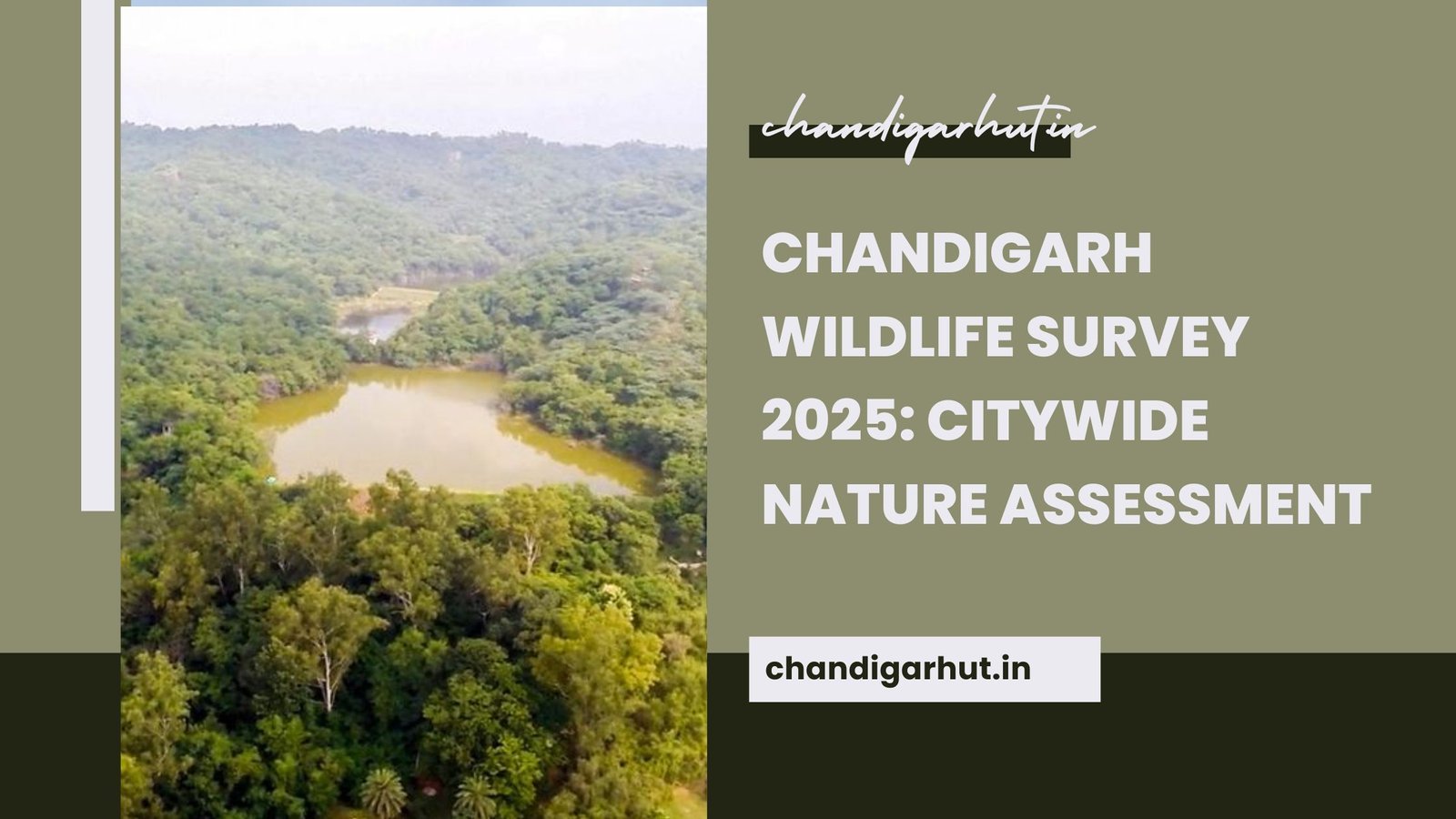
Nepli Forest is a protected woodland zone located in the foothills of the Shivaliks near Chandigarh. It’s one of the densest and most biodiverse pockets of the region and forms a crucial part of the Sukhna Wildlife Sanctuary.
What makes Nepli Forest special?
- It is untouched, raw, and authentically wild — unlike manicured gardens.
- It preserves rare plant species, medicinal herbs, and Shivalik forest vegetation.
- It protects mammals like sambar, nilgai, wild boar, porcupine, jungle cats and even leopards.
- It is a vital ecological buffer that prevents soil erosion and maintains climate stability.
- It is a restricted forest, making it mysterious and exclusive — fewer people, better conservation.
In short: It is Chandigarh’s silent ecological guardian.
Where Exactly Is Nepli Forest Located and How Do You Reach It?
Nepli Forest lies on the southern side of Chandigarh near Kansal, adjoining the Sukhna Wildlife Sanctuary belt.
Entry points :
- Kansal Forest Barrier
- Sukhna Wildlife Sanctuary entry gate
- Nepli-Mataur forest belt area (restricted zones)
Visitors need prior written permission from the Department of Forest & Wildlife, Chandigarh Administration.
Tip: Students, researchers, photographers, and nature groups get approvals more easily.
Why Does Nepli Forest Have Restricted Access?
This is one of the most common questions people ask — and the answer is fascinating.
Reasons for restrictions
- It is a legally protected wildlife zone.
- Human activity can disturb delicate ecological processes.
- Certain sections have wild animals including leopards.
- The forest hosts sensitive research and conservation programs.
- Prevention of illegal timber cutting and poaching.
Unlike normal parks, Nepli is not meant for casual tourism.
It’s meant for conservation and real nature experiences.
What Wildlife Can You See Inside Nepli Forest?
Nepli is a paradise for wildlife lovers. The forest is home to:
Mammals
- Sambar deer
- Nilgai
- Wild boar
- Porcupine
- Indian hare
- Jungle cat
- Rhesus macaques
- Leopards (rare sightings)
Birds
- Coppersmith barbet
- Indian treepie
- Parakeets
- Golden oriole
- Woodpeckers
- Owls
- Peafowl
Reptiles
- Monitor lizards
- Rat snakes
- Indian cobra (rare)
Why this matters?
Healthy wildlife = healthy forest ecosystem.
Nepli is one of the few places near Chandigarh where biodiversity still feels real.
What Are the Best Things to Do in Nepli Forest?
While it’s not a recreational park, Nepli offers breathtaking experiences:
1. Nature Trails & Guided Walking Tours
Walk through:
- forest valleys
- bamboo clusters
- open meadows
- animal paths
2. Wildlife Observation
Perfect for:
- birdwatching
- spotting deer groups
- photographing forest landscapes
3. Forest Research
Botany, ecology, forestry, climate studies, wildlife management.
4. Forest Meditation
Some groups visit with permission for nature therapy sessions.
5. Eco-Education Trips
Ideal for:
- schools
- NGOs
- university departments
Nepli is more than a place — it’s a learning experience.
Nepli Forest vs Other Chandigarh Green Spots — What’s the Difference?
| Feature | Nepli Forest | Sukhna Lake | Rock Garden |
|---|---|---|---|
| Accessibility | Restricted | Open to public | Open to public |
| Experience Type | Wild, raw, deep forest | Scenic & recreational | Artistic & cultural |
| Wildlife | High | Moderate | Very low |
| Best For | Wildlife, research, hiking | Walks, boating | Tourism, photography |
| Silence & Isolation | Very high | Medium | Low |
Best Summary:
If you want real wilderness, not just a garden — Nepli Forest is unmatched.
What Is the History of Nepli Forest?
Nepli’s history predates modern Chandigarh.
Ancient Past
- Part of the Shivalik tribal region
- Known for medicinal plants
- Used by traditional healers and shepherd tribes
British Era
- Declared a reserved forest
- Used for timber and controlled hunting
Post-1966 (Chandigarh Development)
- Integrated into the Sukhna Wildlife Sanctuary
- Protected legally under the Forest & Wildlife Act
Today
- A key biodiversity hotspot
- Chandigarh’s last remaining natural forest belt
What Is the Best Time to Visit Nepli Forest?
Although entry needs permission, the best climate windows are:
Winter (November–February) — Best
- Pleasant climate
- Best wildlife sightings
- Clear visibility
Spring (March–April)
- Forest turns lush
- Perfect for photography
Summer (May–June)
- Dry heat
- Animals move closer to water points
Monsoon (July–September)
- Forest becomes extremely dense
- Leeches, slippery paths — not advised
Is Nepli Forest Safe?
Yes — if you follow rules.
Safety Rules
- Always go with a guide or permit officer
- Do not walk alone in deep forest
- Stay on marked trails
- Avoid evenings
- Do not disturb wildlife
- Keep your distance from monkeys & boars
Nepli is safe but wild — respect the boundary.
Real-Life Experience: What Does It Feel Like to Explore Nepli Forest?
Here’s a real anecdote from a student group:
“We walked for almost 30 minutes without hearing a single human noise. Only birds, leaves, and the wind. When a massive sambar deer suddenly crossed our path, everyone froze. It wasn’t fear — it was awe. Nepli makes you feel like nature is watching you back.”
This is why people who visit Nepli remember it forever.
How Does Nepli Forest Help Chandigarh’s Climate?
(An important section for E-E-A-T & Answer Engine Optimization)
Nepli Forest plays a major role in keeping Chandigarh cooler and healthier.
1. Temperature Regulation
Dense green cover reduces:
- Heat island effects
- Summer temperature spikes
- Humidity imbalance
2. Groundwater Recharge
Rainwater percolates through forest soil, replenishing:
- Water tables
- Sukhna Lake catchment
- Seasonal rivulets
3. Carbon Storage
Trees absorb large amounts of CO₂, making Nepli a natural carbon sink.
4. Soil Protection
The forest prevents:
- Soil erosion
- Landslides
- Siltation of Sukhna Lake
5. Wildlife Corridors
Nepli connects to:
- Kansal forest
- Sukhna sanctuary
- Morni foothills
This maintains healthy wildlife movement and genetic diversity.
Can You Trek in Nepli Forest?
Yes — but only with permission and an escort.
What to expect:
- Light-to-medium hiking trails
- Mostly natural pathways
- Forest valleys & rocky terrain
- Wild animal tracks
- Ancient village routes
Recommended trails
(Not officially published but known to guides)
- Kansal–Nepli trail
- Nepli–Mataur ridge walk
- Waterpoint circular trail
Suitable for:
- Students
- Nature groups
- Explorers
- Bloggers
- Photographers
Nepli trekking is less about difficulty and more about raw immersion.
FAQs
Q1: Is Nepli Forest open to the public?
No. Nepli Forest requires prior permission from the Chandigarh Forest Department.
Q2: What animals are found in Nepli?
Sambar, nilgai, wild boar, porcupine, monkeys, reptiles, and rare leopards.
Q3: Where is Nepli Forest located?
On Chandigarh’s southern side near Kansal, inside Sukhna Wildlife Sanctuary.
Q4: Can you trek in Nepli?
Yes — but only with permission and a guide.
Q5: Why is Nepli Forest famous?
For its untouched wilderness, biodiversity, wildlife, and peaceful forest environment.
Conclusion
Nepli Forest is not a picnic place.
It is not a tourist attraction.
It is a sacred ecological heritage — a living breathing forest that protects Chandigarh’s climate, wildlife, groundwater, and natural beauty.
Visiting Nepli is not about “traveling.”
It is about connecting with nature’s raw truth.
Discover more Chandigarh stories, guides, and local insights at Chandigarhut.in.