It isn’t polished.
Yet, for thousands of locals and visitors, the rehri market feels more alive than any mall.
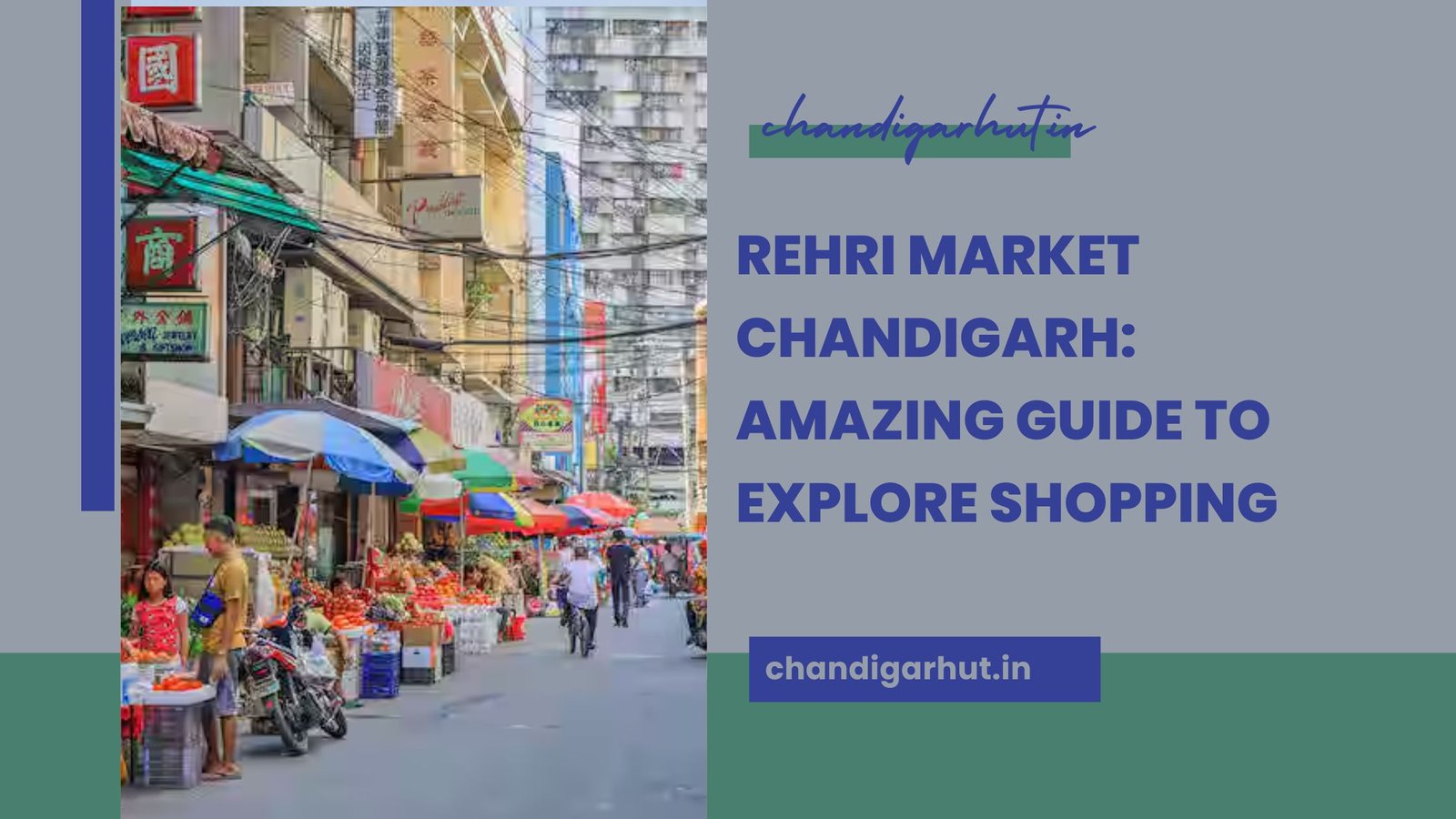
From colourful clothes swinging on hangers to vendors calling out prices with familiar confidence, the market reflects Chandigarh’s most human side — vibrant, slightly chaotic, deeply affordable, and emotionally personal. It’s where shopping feels less like a transaction and more like participation in daily life.
Every corner has a story. The sweet aroma of freshly fried samosas mingles with the chatter of bargaining shoppers. Children weave between stalls, eyes wide at colourful trinkets, while college students hunt for the latest fashion steal. Streetlights cast a warm glow as evening sets in, and suddenly, a regular shopping trip feels like a festive celebration.
Here, every rupee counts, every deal tells a story, and every interaction is a connection — between buyer and seller, between tradition and modernity. It’s not just about what you buy; it’s about experiencing the heartbeat of the city.
Key Takeaways
- Rehri market Chandigarh is not one place but a network of sector-wise street markets
- Sector 15 rehri market is the most famous and fashion-driven
- Sector 24 rehri market balances daily needs, food, and casual shopping
- Sector 38 rehri market offers a calmer, neighbourhood-style experience
- Bargaining, budget finds, and local culture define every rehri market
What Exactly Is a Rehri Market and Why Is It So Important in Chandigarh?
A rehri market is a street-based marketplace that began with simple mobile handcarts, locally called rehris. Vendors originally sold clothes, vegetables, snacks, footwear, and everyday essentials. Over time, these mobile carts evolved into semi-permanent vendor clusters, forming organized markets that residents now depend on daily.
In Chandigarh — a city globally admired for its planned layout, discipline, and sector-based structure — this market plays a unique and essential role.
A Human Counterbalance to a Planned City
Chandigarh was designed with fixed commercial zones, wide roads, and regulated markets. While this ensured order and efficiency, it left little space for informal, flexible, and low-cost retail.
The rehri market filled this gap naturally.
It became essential because it:
- Made shopping affordable for students, daily wage earners, and middle-class families
- Created self-employment for thousands of small entrepreneurs
- Added social energy to otherwise quiet residential sectors
- Brought convenience closer to homes, reducing dependence on distant markets
Without this market, everyday shopping in Chandigarh would be less accessible, less personal, and significantly more expensive.
More Than Markets — They Are Economic Lifelines
For many vendors, the rehri market is not a side income — it is their primary livelihood. These markets support entire families and sustain local supply chains, from wholesalers to transport workers.
These markets have:
- Encourages micro-entrepreneurship
- Keeps money circulating within local communities
- Offers low-risk entry into business for first-time sellers
This makes the this market an integral part of Chandigarh’s informal economy, not an unregulated problem.
Official Recognition Changed Everything
In the early years, rehri vendors operated in legal grey areas. Over time, Chandigarh’s administration recognized the importance of this market and chose regulation over removal.
This led to:
- Designated vending zones
- Vendor registration systems
- Basic infrastructure like lighting and organized space
This shift transformed the rehri market from a perceived encroachment into a recognized urban institution.
Why Do Locals Prefer Rehri Market Over Malls?
Because the rehri market offers what malls never can:
- Human connection
- Flexibility in pricing
- Local trends before brands adopt them
- Cultural authenticity
A college student buys an outfit for ₹300.
A homemaker shops for daily essentials.
A tourist understands Chandigarh — not through buildings, but through people.
Where Are the Main Rehri Markets in Chandigarh Located?
Chandigarh has multiple rehri markets, each shaped by its sector’s population and lifestyle. The most well-known are:
- Sector 15 Rehri Market
- Sector 24 Rehri Market
- Sector 38 Rehri Market
Each one offers a distinct experience.
What Makes Sector 15 Rehri Market Chandigarh the Most Famous?
If rehri market Chandigarh had a capital, Sector 15 would be it.
It’s legendary among college students, budget fashion lovers, and first-time street shoppers.
What You’ll Find
- Trendy tops, jeans, jackets, and winterwear
- Export-surplus clothing
- Imitation branded shoes and bags
- Jewellery, scarves, stoles, and home décor
Prices are low, styles are current, and variety is unmatched.
Crowd & Vibe
Fast-paced, youth-heavy, loud, energetic, and fashion-forward — exactly why people love this market.
Why Is Sector 24 Rehri Market More Than Just Shopping?
The Sector 24 rehri market feels more local and more personal.
It serves nearby residents, daily shoppers, and casual browsers.
What Makes It Unique
- Clothing mixed with daily essentials
- Street food stalls alongside vendors
- Sunglasses, toys, socks, and household items
You don’t just shop here — you spend time here.
Why Do Some Shoppers Prefer Sector 38 Rehri Market?
The Sector 38 rehri market is intentionally quieter and more relaxed.
Popular with families and elderly residents, it offers:
- Everyday clothing
- Affordable footwear
- Household goods
- Vendors who remember repeat customers
This market feels community-driven rather than commercial.
Comparison table:
| Feature | Sector 15 | Sector 24 | Sector 38 |
|---|---|---|---|
| Crowd | Very High | Medium | Low–Medium |
| Best For | Fashion & trends | Food + daily shopping | Relaxed local shopping |
| Bargaining | High | Medium | Medium |
| Atmosphere | Youthful & loud | Balanced | Calm & familiar |
What Can You Buy at these markets in Chandigarh?
What makes these markets special is variety without intimidation. You don’t need a shopping list — you discover things as you walk.
Fashion & Everyday Wear
You’ll find affordable clothing that changes with the season:
- Casual tops, kurtis, shirts, and T-shirts
- Light jackets, sweaters, and winter layers
- Trend-led pieces inspired by current street styles
- Comfortable daily wear alongside festive options
Many shoppers return regularly because new stock appears almost every week.
Footwear for Every Budget
From daily-use sandals to traditional styles:
- Flip-flops and flats for daily wear
- Casual shoes and slip-ons
- Punjabi juttis often worn during festivals or weddings
While prices are low, checking stitching and soles ensures longer use.
Accessories That Complete the Look
Small details make big differences:
- Handbags, sling bags, and wallets
- Imitation jewellery ranging from minimal to ethnic
- Sunglasses, belts, caps, and hair accessories
These items are popular impulse buys — easy to replace, easy to experiment with.
Home Essentials & Décor
Beyond fashion, many stalls sell practical household items:
- Cushion covers, bedsheets, and pillowcases
- Small decorative pieces for shelves and walls
- Storage items and daily-use utilities
This makes these markets useful not only for style but for everyday living.
Is Bargaining Expected in these Markets?
Yes — but it’s a social exchange, not a confrontation.
Bargaining here follows an unspoken etiquette:
- Vendors expect negotiation, but appreciate courtesy
- Smiling and patience often lead to better prices
- Long conversations sometimes result in surprise discounts
Smart Bargaining Tips
- Start around 60–70% of the quoted price
- Compare a few stalls before finalizing
- Walk away calmly if the price doesn’t feel right
Often, the best deals come from mutual respect rather than pressure.
Are Rehri Markets Safe and Clean?
Mostly yes — with basic awareness.
What Works Well
- Regular municipal oversight keeps major areas active
- Evening crowds create natural safety through visibility
- Familiar vendors provide a sense of trust for repeat visitors
What Needs Caution
- Peak hours can feel congested
- Cleanliness varies from stall to stall
- Product quality isn’t uniform
Practical Safety Tips
- Visit during daylight or early evening hours
- Keep valuables secure in crowded lanes
- Inspect items carefully before purchase
With mindful choices, most visitors enjoy a comfortable, lively, and memorable experience.
Real-Life Experience
A Delhi-based visitor shared:
“I expected malls. Instead, the rehri market showed me real Chandigarh — people bargaining, laughing, helping each other. I spent less and enjoyed more.”
That’s the rehri market effect.
Frequently Asked Questions:
Q1. What is a rehri market in Chandigarh?
A rehri market is a street-based marketplace where vendors sell clothes, footwear, accessories, household items, and snacks.
Q2. Which is the best rehri market in Chandigarh?
Sector 15 rehri market is the most popular for fashion, variety, and budget-friendly shopping. Sector 24 is ideal for daily essentials and street food, while Sector 38 offers a quieter, neighbourhood-style experience.
Q3. Are rehri markets in Chandigarh safe for tourists?
Yes. High footfall, well-lit areas, and familiar vendors make it a comfortable environment for visitors.
Q4. What can I buy at a rehri market?
You can shop for affordable clothing, footwear, jewellery, bags, accessories, household items, home décor, and snacks.
Final Thoughts:
The rehri market isn’t competing with malls.
It’s completing the city.
It supports livelihoods, reflects real trends, and keeps shopping accessible. In a structured city like Chandigarh, rehri markets add soul, spontaneity, and stories.
👉 For more authentic local guides, hidden markets, and real city stories, explore chandigarhut.in — your trusted window into Chandigarh beyond Google Maps.