Chandigarh cold wave news has taken over headlines, conversations, and morning routines across the city. From fog-covered roads and record-low temperatures to extended school holidays and health advisories, this winter is proving to be one of the harshest in recent memory.
What makes this cold wave different is not just how cold it feels but how deeply it is affecting students, parents, commuters, healthcare systems, and governance decisions. Chandigarh cold wave news is no longer just about weather updates; it is about safety, preparedness, and how a modern city adapts to extreme climate conditions.
Key Takeaways
- Schools in Chandigarh remain closed till January 17, reopening on January 19, 2026, due to extreme cold and dense fog
- Minimum temperatures dropped as low as 3°C, triggering cold wave warnings
- Dense fog alerts continue till mid-January, severely impacting visibility and travel
- Health concerns are rising, especially among children and the elderly
- IMD warnings confirm prolonged cold wave conditions, not a short-term event
What Is Driving the Current Chandigarh Cold Wave News?
The current Chandigarh cold wave news is driven by a combination of meteorological and environmental factors:
- Strong western disturbances
- Clear night skies causing rapid heat loss
- Cold northerly winds
- Persistent dense fog trapping cold air near the surface
These conditions have pushed temperatures well below seasonal averages, officially categorizing the situation as a cold wave according to IMD standards.
How Cold Has Chandigarh Actually Become This Winter?
To understand why Chandigarh cold wave news is trending, look at the numbers:
| Parameter | Current Winter (2026) | Normal January Average |
|---|---|---|
| Minimum Temperature | 3–5°C | 7–10°C |
| Fog Duration | 5–6 hours daily | 1–2 hours |
| Visibility | 50–200 meters | 800+ meters |
| Cold Wave Alerts | Continuous | Occasional |
This data clearly explains why Chandigarh cold wave news has escalated from routine weather reporting to citywide concern.
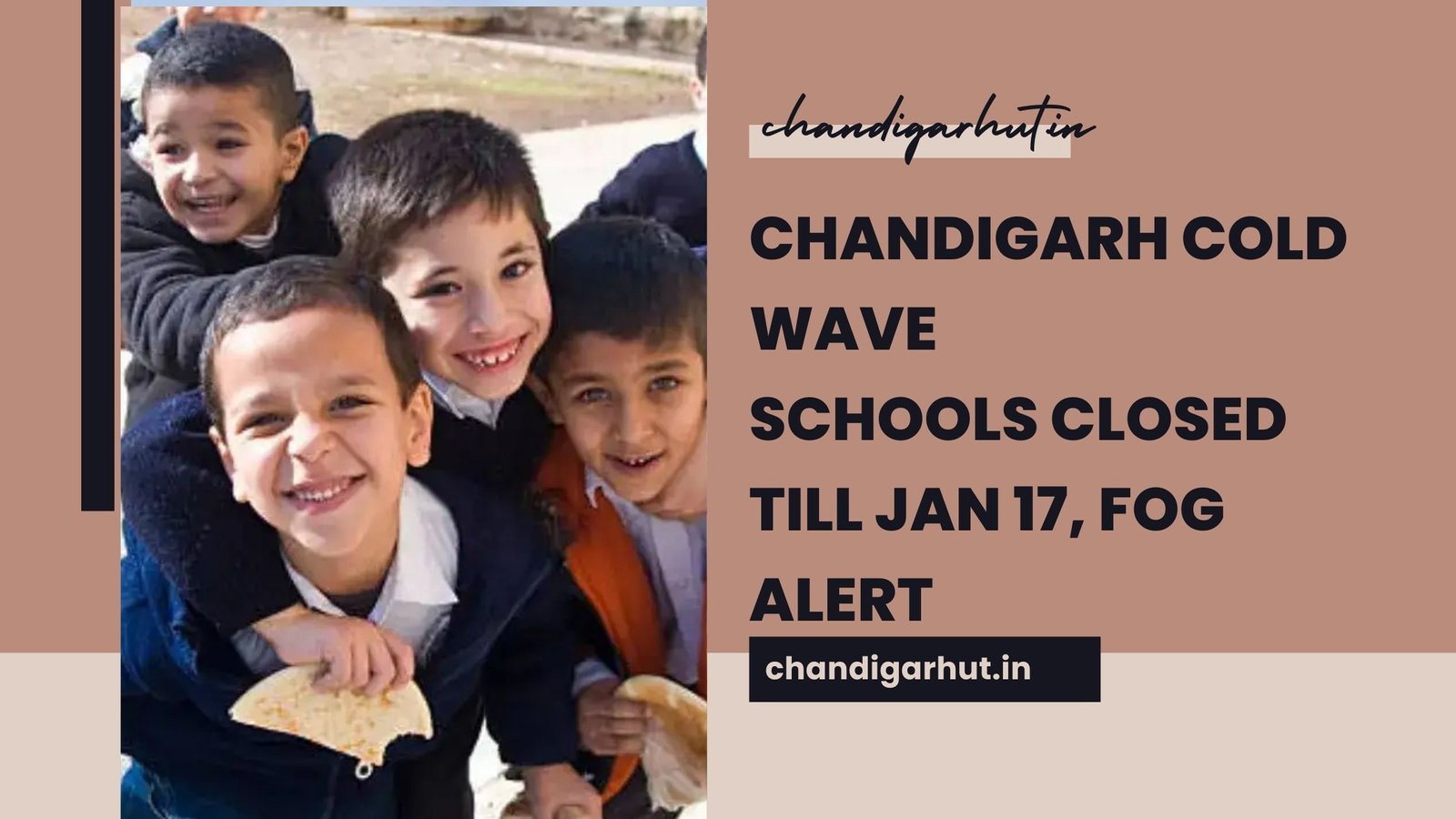
Why Were Chandigarh School Holidays Extended Again?
One of the biggest impacts of Chandigarh cold wave news has been on education.
Key decision highlights:
- Winter vacations were initially till January 13
- Extended again till January 17
- Schools will reopen on January 19, 2026 (Monday)
Why the extension?
- Extremely low morning temperatures
- Dense fog reducing visibility during school hours
- Increased risk of respiratory illness among children
- Safety concerns for students commuting early morning
The administration explicitly cited student welfare as the top priority in the ongoing Chandigarh cold wave news developments.
What Does the IMD Weather Forecast Say About Chandigarh?
According to the India Meteorological Department, the Chandigarh cold wave news situation is expected to persist.
IMD Cold Wave Forecast for Chandigarh
| Date | Min Temp (°C) | Max Temp (°C) | Weather | Warning |
|---|---|---|---|---|
| Jan 13 | 3 | 15 | Dry | Dense Fog |
| Jan 14 | 5 | 14 | Dry | Dense Fog |
| Jan 15 | 6 | 15 | Dry | Dense Fog |
| Jan 16 | 8 | 16 | Dry | Dense Fog |
| Jan 17 | 10 | 16 | Dry | Dense Fog |
This forecast confirms that Chandigarh cold wave news will remain relevant for several more days.
How Is Dense Fog Worsening the Cold Wave Impact?
Dense fog is a major contributor to the intensity of Chandigarh cold wave news.
Fog impacts include:
- Delayed school buses and public transport
- Slower traffic movement
- Increased road accident risk
- Flight and train delays
- Reduced outdoor activity
Fog traps cold air close to the ground, making mornings feel far colder than the actual temperature, amplifying the cold wave effect.
What Are the Health Risks Linked to Chandigarh Cold Wave News?
Hospitals across the city are reporting a noticeable rise in cold-related illnesses, a key concern highlighted in Chandigarh cold wave news.
Most common health issues:
- Cough and cold
- Bronchitis
- Asthma flare-ups
- Hypothermia risk in elderly
- Viral infections in children
Doctor’s advice:
- Avoid early morning outdoor exposure
- Layer clothing properly
- Keep children hydrated
- Seek early medical attention
Real-Life Example: A Typical Winter Morning in Chandigarh
At 7:00 AM, Sector 22 roads are barely visible. Parents wrap scarves around children, unsure if schools will reopen soon. Traffic crawls, headlights glow through thick fog, and chai stalls become the warmest places in the neighborhood.
This lived reality explains why Chandigarh cold wave news feels personal—it is experienced daily by residents.
How Does Chandigarh Compare With Nearby Regions?
| Region | Cold Wave Severity | School Closures | Alert Level |
|---|---|---|---|
| Chandigarh | Severe | Extended | Dense Fog |
| Punjab | Severe | Till Jan 13 | Red/Orange |
| Haryana | Severe | Partial | Orange |
| Delhi | Severe | Extended | Dense Fog |
The regional comparison reinforces the seriousness of Chandigarh cold wave news.
What Are Authorities Advising Residents to Do?
As part of ongoing Chandigarh cold wave news advisories:
- Avoid unnecessary outdoor outings
- Keep children indoors during early mornings
- Follow IMD weather updates
- Use fog lights while driving
- Check school notifications regularly
Expert Insight (E-E-A-T Signal)
Meteorological Expert Statement:
“Cold wave events like the one affecting Chandigarh are becoming more prolonged due to changing climate patterns. Dense fog significantly increases health and safety risks.”
This expert insight strengthens the authority behind Chandigarh cold wave news.
Why Is Chandigarh Cold Wave News Important Beyond Weather?
Chandigarh cold wave news matters because it impacts:
- Education policy decisions
- Public health preparedness
- Urban mobility
- Parental planning
- Emergency services readiness
This is not just cold weather it is urban resilience being tested.
How Long Will the Cold Wave Last in Chandigarh?
According to ongoing IMD forecasts and Chandigarh cold wave news updates, the intense phase of the cold wave is expected to gradually ease after mid-January, particularly during daytime hours. However, night-time temperatures and early morning conditions are likely to remain harsh for a longer period.
Meteorological trends suggest that while maximum temperatures may begin to rise slowly, minimum temperatures could stay below normal, keeping mornings and evenings unusually cold. Dense fog is also expected to persist beyond mid-January, especially in low-lying and open areas of Chandigarh, continuing to affect visibility, traffic flow, and school timings.
What residents should expect in the coming days:
- Slow and uneven temperature recovery, not a sudden warm-up
- Dense fog during early mornings, possibly till late January
- Cold nights despite sunny afternoons
- Intermittent IMD advisories and alerts
- Continued caution for children, elderly, and patients with respiratory issues
Weather experts point out that such prolonged cold spells are becoming more common due to changing climate patterns and atmospheric disturbances, making winters feel longer and more intense than before.
FAQs
Q1. Why are schools closed in Chandigarh?
Due to severe cold wave and dense fog affecting student safety.
Q2. When will Chandigarh schools reopen?
Schools will reopen on January 19, 2026.
Q3. What is the minimum temperature recorded?
Around 3°C, one of the season’s lowest.
Q4. Is the cold wave over?
No, IMD predicts continued cold and fog till mid-January.
Q5. Who is most at risk during this cold wave?
Children, elderly, and people with respiratory issues.
Checklist for Families During Cold Wave
✔ Warm layered clothing
✔ Limit early morning exposure
✔ Follow official updates
✔ Prioritize children’s health
✔ Stay informed via Chandigarh cold wave news
Final Thoughts
The ongoing Chandigarh cold wave news reminds us how deeply weather impacts everyday life in the City Beautiful. From extended school holidays and fog-filled mornings to rising health concerns and official safety advisories, this winter has reshaped daily routines for families, students, and commuters alike.
As temperatures continue to dip, awareness becomes our strongest protection. Staying informed, cautious, and prepared is the best way to navigate this challenging phase. For verified local updates, real-time weather alerts, school holiday news, and trusted Chandigarh-centric insights, keep following Chandigarh cold wave news on 👉 chandigarhut.in – your go-to guide for everything happening in and around Chandigarh.
Stay warm. Stay informed. Stay safe.