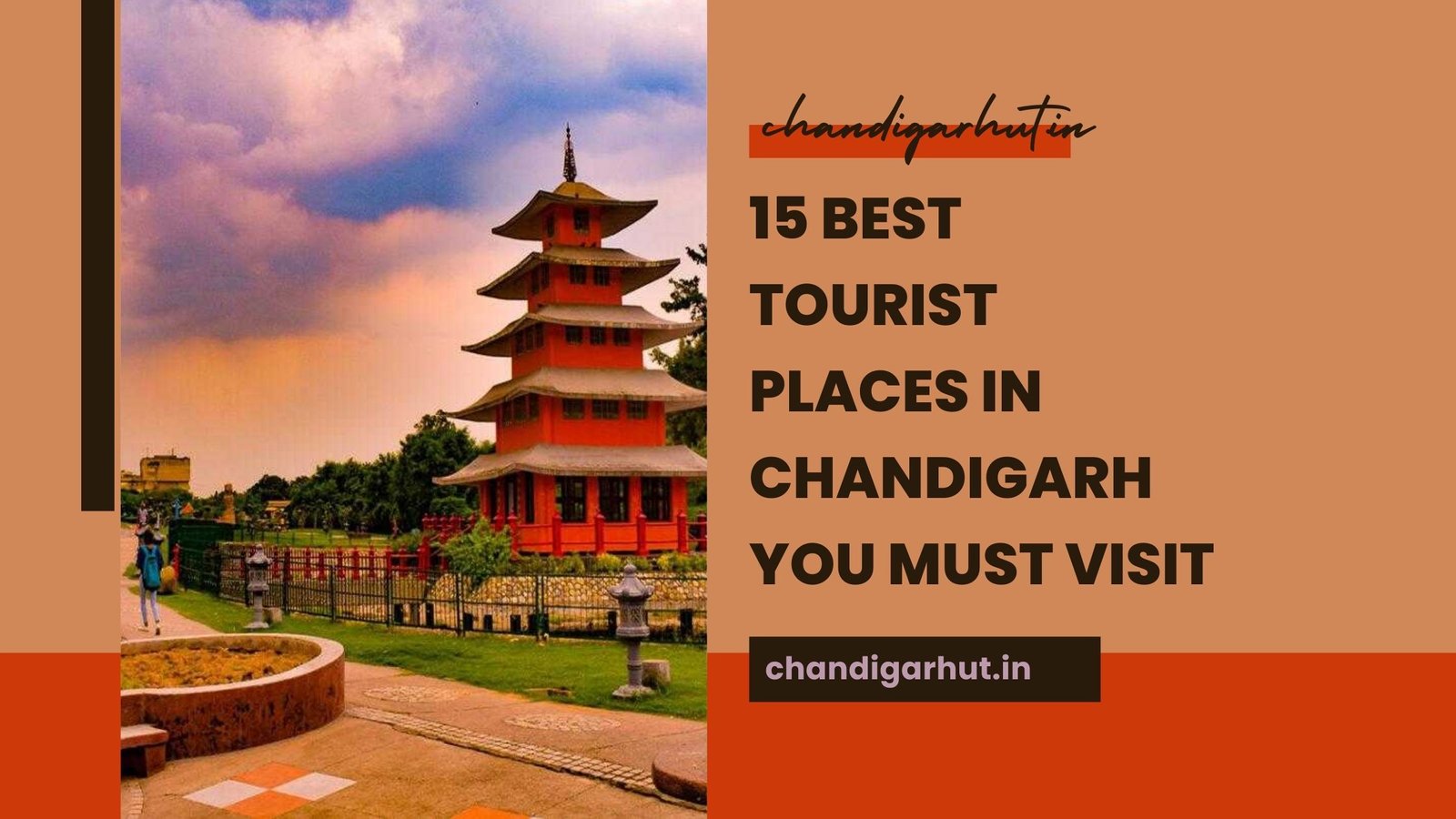
Few places in India manage to surprise, inspire, and emotionally move people the way the Nek Chand Rock Garden does. What began as one man’s hidden dream inside a forest has today become one of the most visited artistic marvels in the country. Visitors don’t just walk through the Rock Garden — they feel it. Every sculpture, every broken tile, every curved pathway whispers a story of creativity, rebellion, resilience, and sheer human imagination.
Before you dive deep into its history, hidden corners, architectural details, and modern evolution, here are the key takeaways.
Key Takeaways
- Nek Chand Rock Garden is the world’s largest open-air folk-art environment made entirely from recycled waste.
- The garden was created secretly for 18 years by one man — without government approval.
- It represents sustainability, art, and human resilience, making it a symbol of innovation in India.
- The site is divided into three phases, each featuring waterfalls, amphitheatres, sculptures, bridges, and fantasy environments.
- It is Chandigarh’s number-one tourist attraction, welcoming over 10,000+ visitors daily in peak season.
What Makes the Nek Chand Rock Garden So Emotionally Powerful?
The emotional pull of the Rock Garden lies in its origin story — this isn’t just a tourist spot.
It’s a story of a man, a dream, and a city that chose to preserve his creativity.
Imagine this:
A government road inspector named Nek Chand begins collecting broken tiles, discarded wires, broken ceramics, smashed bangles, old pipes, and industrial scrap. Instead of throwing them away, he transforms them into fairytale sculptures — in secret. For 18 years, he works at night, alone, inside a protected forest. No visitors. No assistants. No permissions. Just pure art.
When the government discovered the site in 1975, they almost demolished it. But public support saved it — and today, it is globally recognized as a masterpiece of outsider art.
How Did Nek Chand Secretly Build the Rock Garden for 18 Years?
Nek Chand started in 1957 when Chandigarh was still being designed by Le Corbusier. He quietly identified a secluded gorge and began shaping the land.
His process was simple but genius:
- Collected waste from demolition sites
- Transported it on his cycle
- Created human and animal figurines
- Crafted mosaic walls from broken household items
- Built waterfalls from discarded pipes
- Shaped courtyards with scrap ceramics
He had no formal art training — just imagination, patience, and devotion.
The secrecy was crucial. As the land was government-owned, discovery could have ended everything.
This origin remains the emotional heart of the entire Rock Garden.
What Are the Three Phases of the Nek Chand Rock Garden?
Phase 1: The Hidden Kingdom (Original Garden)
This phase preserves Nek Chand’s earliest artwork:
- Miniature villages
- Human figure trails
- Sufi-inspired walls
- Narrow cave-like passages
- Old-style courtyards
- Mosaic murals
Phase 2: The Waterfall Realm
A more elaborate and open design:
- The iconic multi-tier waterfall
- Terracotta warriors
- Dancing doll sculptures
- Stone-paved amphitheatre
- Curved bridges
- Ceramic-tiled courtyards
This is the most photographed zone and the heart of the visitor experience.
Phase 3: The Fantasy Playground
Created later as the garden gained global fame:
- Swings
- Fun mirrors
- Rope bridges
- Open display pavilions
- Giant sculptures
- Recreational zones
- Modern installations
This phase blends fun, creativity, and public engagement.
What Defines the Unique Art Style of Nek Chand?
Nek Chand’s art style is globally recognized as Outsider Art — created by individuals outside formal artistic training.
Key Style Elements
- Use of found objects: bangles, tiles, pipes
- Recycling philosophy
- Stylized human and animal figurines
- Fantasy environments with organic shapes
- Repetition patterns
- Story-rich installations
What Materials Were Used in the Rock Garden?
| Material Used | Source | Role in the Garden |
|---|---|---|
| Broken bangles | Household waste | Mosaic murals and figurines |
| Ceramic tiles | Demolition scrap | Wall finishes and sculptures |
| Industrial waste | Factories | Frames and metal armatures |
| Old pipes | Govt scrap | Waterfalls and drainage |
| Broken crockery | Households | Decorative walls |
| Rocks, pebbles | Natural forest | Paths and flooring |
| Cement pieces | Construction debris | Structural bases |
The Rock Garden is a benchmark for zero-waste architecture.
Why Does the Rock Garden Feel Like a Storybook?
Walking through the Rock Garden feels like entering a fairytale village because of:
- Narrow winding paths
- Figurines arranged in processions
- Waterfalls that appear suddenly
- Light filtering through mosaic walls
- Fantasy-like courtyards
- Miniature kingdoms
- Playful use of scale
This immersive design creates a storytelling experience, not just sightseeing.
How Long Does It Take to Explore the Entire Rock Garden?
A full visit takes:
- Fast walk: 45 minutes
- Normal walk: 1.5 hours
- Photography + exploration: 2–3 hours
Why Is the Nek Chand Rock Garden Famous Worldwide?
The Rock Garden is celebrated globally because:
- It’s the world’s largest recycled art environment
- Nek Chand became an international figure in environmental art
- Exhibitions toured Europe and America
- Featured in global architecture journals
- Represents India’s role in sustainable creative design
International conservationists often cite it as a model of community-driven creative preservation.
What Are the Must-See Spots Inside the Rock Garden?
Must-See Attractions:
- The Grand Waterfall
- Dancing Dolls Arena
- Amphitheatre Courtyard
- Recycled Figurine Plaza
- Fantasy Swing Zone
- Mirror House
- Hanging Bridges
- Ceramic Mosaic Walls
Is the Rock Garden Good for Photography?
Yes — the garden is extremely photogenic.
Best photography spots:
- Multi-level waterfall
- Figurine streets
- Mosaic walls
- Terracotta warriors
- Curved pathways
- Swing and mirror zone
Ideal for:
- Travel photography
- Artistic portraits
- Pre-wedding shoots
What Do Visitors Say About the Rock Garden? (Real Testimonies)
“ It feels like walking through someone’s imagination.”
“ How can one man create so much beauty from broken things?”
“ Every corner surprises you. No two turns are alike.”
Where Is Nek Chand Rock Garden Located in Chandigarh?
It sits between:
- Sukhna Lake
- Capitol Complex
Easily accessible from all sectors.
What Are the Timings of the Rock Garden?
- Summer: 9:00 AM – 7:30 PM
- Winter: 9:00 AM – 6:00 PM
What Is the Ticket Price for the Rock Garden?
- Adults: ₹30
- Children: ₹10
- Camera: Free
Special events may cost extra.
Interesting Lesser-Known Facts About the Rock Garden
- Nek Chand was a road inspector, not an artist.
- He transported scrap materials on a bicycle.
- The garden almost got demolished when discovered.
- Nek Chand later received the Padma Shri.
- His work is displayed in museums abroad.
- Volunteers helped expand the garden post-1976.
What Is the Best Time to Visit the Rock Garden?
Best Season:
- October to March
Best Time of Day:
- Morning (9–11 AM)
- Evening (4–6 PM)
Avoid hot afternoons in summer.
Real-Life Example: A Visitor’s Emotional Journey
A traveler from Germany once shared:
“I had tears in my eyes. Not because it was sad — but because it showed how human imagination can grow even in silence.”
He spent three hours exploring the lanes, amazed that one man’s hidden hobby became an international landmark.
How Is the Rock Garden Preserved Today?
Managed by:
- Chandigarh Administration
- Nek Chand Foundation
They handle:
- Restoration
- Visitor flow
- Structural conservation
- Lighting upgrades
- Heritage preservation
Sample Itinerary to Explore the Rock Garden
- Start in the morning
- Begin with Phase 1
- Spend time at the waterfall
- Photograph mosaic walls
- Explore swings and mirror zones
- Walk to Sukhna Lake afterwards
FAQs About the Nek Chand Rock Garden
Q1. Why is the Nek Chand Rock Garden famous?
Because it is the world’s biggest open-air recycled art environment.
Q2. Who created the Rock Garden?
It was created by Nek Chand, a self-taught artist and government road inspector.
Q3. How many phases are in the Rock Garden?
Three phases.
Q4. Is photography allowed?
Yes, photography is allowed and free.
Q5. How much time is needed to explore it fully?
1.5–2 hours.
Q6. Is the Rock Garden kid-friendly?
Yes, especially Phase 3.
Conclusion: Why the Nek Chand Rock Garden Still Feels Magical Today
The Nek Chand Rock Garden is far more than a tourist spot — it is a masterpiece born from imagination, persistence, and the belief that even discarded things can become extraordinary. What began as a hidden personal project now stands as India’s most celebrated symbol of recycled art and creative freedom.
Every pathway and sculpture tells a story of resilience and vision, making it one of the most emotionally moving places to visit in Chandigarh.
For more authentic travel guides, insider updates, and local stories, explore ChandigarhUT.in — your companion to discovering the City Beautiful.