WWhy did Chandigarh choose a butterfly to represent its natural identity? And what makes the Striped Tiger so special that it earned the title of Chandigarh state butterfly?
The answer lies in nature, conservation, resilience, and beauty all woven together in a single species that gracefully moves across the gardens, forests, and open skies of the City Beautiful.
In a landmark decision taken by the State Board of Wildlife (SBWL), chaired by Punjab Governor and UT Administrator Gulab Chand Kataria, the Striped Tiger butterfly was officially declared the Chandigarh state butterfly, marking a significant step toward ecological awareness and biodiversity protection.
This article explains the 7 powerful reasons behind this decision, along with everything you need to know about the Chandigarh state butterfly its symbolism, habitat, features, and environmental importance.
Key Takeaways
- The Striped Tiger is the official Chandigarh state butterfly
- The decision was made by the State Board of Wildlife (SBWL)
- The butterfly is commonly found across Chandigarh
- It symbolizes biodiversity, resilience, and ecological balance
- Butterfly Park Sector 26 plays a major role in its conservation
What Is the Chandigarh State Butterfly?
The Striped Tiger Butterfly (Danaus genutia) has been officially declared the Chandigarh state butterfly after careful evaluation by the Department of Forests and Wildlife, Chandigarh.
Four species were shortlisted for consideration:
| Contender | Status |
|---|---|
| Striped Tiger | Selected |
| Blue Tiger | Not Selected |
| Plain Tiger | Not Selected |
| Jezebel | Not Selected |
The final selection was based on public feedback, ecological importance, and expert assessment.
7 Powerful Reasons Why the Striped Tiger Became Chandigarh State Butterfly
1. Naturally Abundant Across Chandigarh
The Striped Tiger is one of the most commonly seen butterflies in Chandigarh, making it a natural representative of the city’s ecosystem. From neighborhood gardens and public parks to forest edges and green corridors, this butterfly thrives in a wide variety of environments.
Its widespread presence reflects:
- A healthy urban ecosystem
- Availability of native host plants
- Balanced climatic conditions
Because it is visible to people across all parts of the city, the Striped Tiger has become a familiar and recognizable symbol of Chandigarh’s natural life.
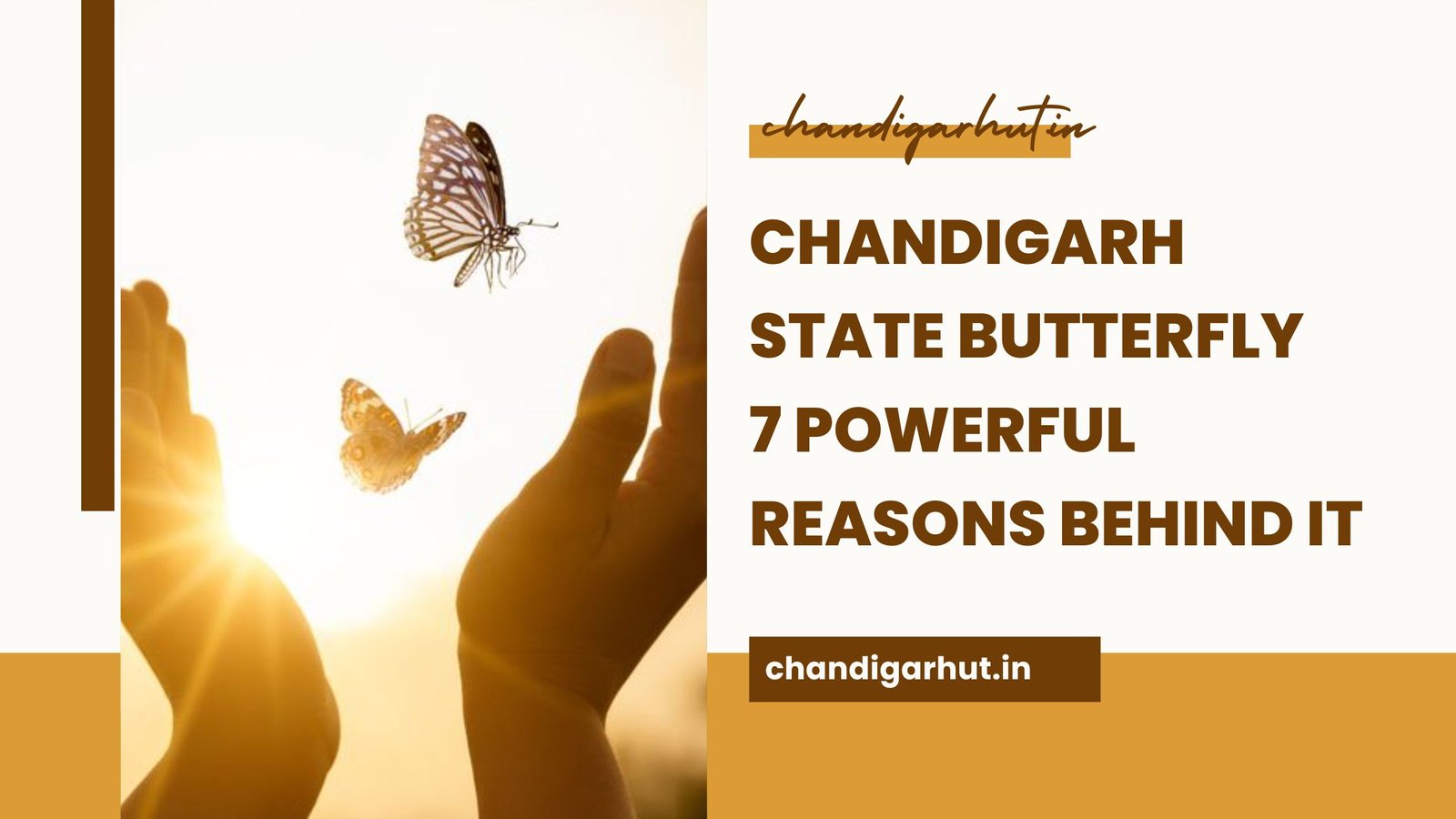
2. Striking and Memorable Appearance
The Striped Tiger is visually stunning and instantly recognizable. Its:
- Bright orange or tawny wings
- Bold black tiger-like stripes
- White-spotted borders
make it one of the most eye-catching butterfly species in North India.
This striking appearance symbolizes:
- Energy and vitality
- Strength and balance
- Harmony between nature and urban life
Its visual appeal played a major role in its selection as the Chandigarh state butterfly, as it reflects the city’s clean, planned, and aesthetically pleasing identity.
3. Symbol of Ecological Balance
According to wildlife experts and forest officials, the Striped Tiger represents ecological stability.
The butterfly thrives only when:
- Native plants are healthy
- Pollution levels are controlled
- Natural habitats are protected
Its presence indicates a well-balanced ecosystem, making it an excellent bio-indicator. Declaring it as the Chandigarh state butterfly highlights the city’s commitment to preserving ecological harmony and sustainable development.
4. Important Role in Pollination
The Striped Tiger plays a crucial role in maintaining plant life through pollination. As it moves from flower to flower collecting nectar, it helps in:
- Pollinating flowering plants
- Supporting seed production
- Maintaining plant diversity
- Strengthening food chains
Without butterflies like the Striped Tiger, many plant species would struggle to reproduce. This makes the butterfly an essential contributor to Chandigarh’s environmental health.
5. Strong Presence in Protected Areas
The Striped Tiger is commonly found in major green zones of Chandigarh, including:
- Butterfly Park, Sector 26
- Sukhna Wildlife Sanctuary region
- Forest belts and green corridors
- Public gardens and institutional campuses
Its consistent presence in these protected spaces highlights the success of Chandigarh’s conservation planning and green cover management. The butterfly has become a living symbol of the city’s commitment to preserving natural habitats within an urban setting.
6. Educational and Conservation Value
The Striped Tiger plays a key role in environmental education and awareness. It helps:
- Educate students about biodiversity
- Promote butterfly conservation programs
- Encourage nature-based learning
- Support eco-tourism initiatives
Schools, nature clubs, and wildlife departments often use the butterfly as an example to teach the importance of conservation, making it an ideal ambassador species for Chandigarh.
7. Represents Chandigarh’s Green Vision
By choosing a butterfly as its state symbol, Chandigarh sent a strong message about its future vision.
The decision reflects:
- Commitment to environmental sustainability
- Respect for biodiversity
- Balance between development and nature
- Promotion of green urban planning
The Striped Tiger perfectly represents Chandigarh’s identity as a clean, planned, and environmentally responsible city.
Who Announced the Chandigarh State Butterfly?
The announcement was made during a State Board of Wildlife (SBWL) meeting chaired by:
Gulab Chand Kataria
Governor of Punjab and UT Administrator
The Forest and Wildlife Department initiated the proposal in 2025, and the decision was finalized after ecological review and public participation.
All About the Striped Tiger Butterfly
Scientific Profile
| Feature | Details |
|---|---|
| Scientific Name | Danaus genutia |
| Common Name | Striped Tiger |
| Family | Nymphalidae |
| Habitat | Gardens, forests, scrublands |
| Diet | Flower nectar |
| Status | Common |
Physical Features of the Chandigarh State Butterfly
- Bright orange or tawny wings
- Bold black tiger-like stripes
- White-spotted wing edges
- Strong yet graceful flight
- Easily visible in open green spaces
The coloration also acts as a natural warning to predators.
Habitat and Behaviour in Chandigarh
The Chandigarh state butterfly thrives in:
- Butterfly Park Sector 26
- Public gardens
- Forest edges
- Sukhna Wildlife Sanctuary area
Behaviour Patterns:
- Feeds on nectar-rich plants
- Active during daylight
- Often basks in sunlight
- Forms clusters during colder months
Butterfly Park Sector 26 and Its Role
The Butterfly Park, Sector 26, plays a crucial role in protecting the Chandigarh state butterfly.
| Feature | Details |
|---|---|
| Area | 7 acres |
| Purpose | Butterfly conservation |
| Plant Type | Nectar-rich plants |
| Species | 100+ butterfly species |
| Focus | Education and breeding |
Conservation Importance of Chandigarh State Butterfly
Environmental Benefits
- Supports pollination
- Maintains ecological balance
- Indicates ecosystem health
Educational Benefits
- Promotes environmental awareness
- Encourages student engagement
- Supports eco-tourism initiatives
Link With Sukhna Wildlife Sanctuary
During the SBWL meeting, discussions included:
- Eco-Sensitive Zone development
- Soil and moisture conservation
- Habitat protection measures
- Proposal for a Wildlife Learning Centre
The Chandigarh state butterfly serves as an indicator species for the health of this ecosystem.
Why Butterflies Matter in Urban Ecosystems
| Role | Importance |
|---|---|
| Pollination | Supports plant growth |
| Bio-indicators | Reflect ecosystem health |
| Food chain | Supports birds and insects |
| Education | Builds environmental awareness |
Real-Life Observation in Chandigarh
During winter months, residents often observe clusters of Striped Tiger butterflies resting together on trees and shrubs. This behavior helps conserve heat and is commonly seen in green zones across the city.
Frequently Asked Questions
What is the state butterfly of Chandigarh?
The Striped Tiger is the official state butterfly of Chandigarh.
Why was the Striped Tiger chosen?
It is abundant, ecologically important, visually striking, and represents biodiversity and resilience.
Where can I see the Chandigarh state butterfly?
You can spot it at Butterfly Park Sector 26, Sukhna Wildlife Sanctuary, gardens, and forested areas.
Who announced the state butterfly?
The announcement was made by the State Board of Wildlife chaired by Gulab Chand Kataria.
How many butterfly species are found in Chandigarh?
Chandigarh is home to more than 100 butterfly species.
Final Thoughts
The declaration of the Striped Tiger as the Chandigarh state butterfly is more than symbolic. It reflects the city’s commitment to conservation, sustainability, and ecological awareness.
As this butterfly continues to flutter across Chandigarh’s gardens and forests, it serves as a reminder that protecting nature is not a choice — it is a responsibility.
For more environment, heritage, and Chandigarh-focused stories, continue reading on Chandigarh UT.